
Natural Fertility Enhancement: Evidence-Based Strategies for Improving Your Chances of Conception
Your body knows how to create life—sometimes it just needs the right support. If you’ve felt let down by one-size-fits-all fertility advice, overwhelming pill-swallowing regimens, or overly clinical approaches that ignore your intuition, you’re not alone. Many women seeking to get pregnant naturally have found themselves frustrated by methods that feel disconnected from their body’s natural wisdom.
Natural fertility enhancement isn’t about miracle cures or unrealistic promises. It’s about understanding your reproductive endocrine health, optimizing the conditions for conception, and working with your body’s natural rhythms rather than against them. This evidence-based approach allows you to take an active role in enhancing fertility while honoring what feels right for your unique situation.
In this comprehensive guide, we’ll explore proven strategies that can improve your chances of achieving pregnancy naturally. From understanding your fertile window to optimizing your lifestyle and nutrition, these methods are grounded in research yet accessible enough to implement in your daily life.
Understanding Your Natural Fertility
Natural fertility refers to your body’s inherent capacity to conceive without medical intervention. Unlike assisted reproductive technologies like in vitro fertilization, natural fertility enhancement focuses on optimizing the biological processes that lead to conception: ovulation, fertilization, and implantation.
Your reproductive system operates on intricate timing. During each menstrual cycle, your ovaries release a mature egg during ovulation, typically around day 14 of a 28-day cycle. This egg travels through the fallopian tubes, where fertilization may occur if healthy sperm are present. The fertilized egg then travels to the uterus for implantation.
Understanding these timing elements is crucial for women wishing to conceive naturally. Research shows that women under 35 have a 20-37% chance of becoming pregnant in any three-month period when timing intercourse appropriately. Even more encouraging: 80% of couples will achieve pregnancy within one year of regular, unprotected intercourse when the woman is under 35.
However, both female fertility and male fertility naturally decline with age. After 35, women experience more rapid decreases in both egg quantity and quality, with monthly conception chances dropping to about 5% per cycle by age 40. Male infertility factors also increase after age 50, primarily due to changes in sperm quality and motility.
These statistics aren’t meant to create pressure, but rather to help you set realistic expectations and make informed decisions about your fertility journey.

Mastering Your Fertile Window
The fertile window represents your best opportunity for conception each cycle. This six-day period ends on the day ovulation occurs and includes the five days prior. Understanding this window is fundamental to optimizing natural fertility.
Why six days? Sperm can survive in the female reproductive tract for up to five days under optimal conditions, while the egg remains viable for less than 24 hours after ovulation. This means that intercourse occurring several days before ovulation can still result in pregnancy.
Tracking Your Natural Signs
Your body provides remarkably accurate signals about your fertile window, and learning to read these signs puts you in control of your conception efforts.
Cervical mucus monitoring is considered the most reliable method for predicting your fertile window. As ovulation approaches, rising estrogen levels cause cervical mucus to increase in quantity and change in consistency. About 5-6 days before ovulation, you’ll notice mucus becoming clearer, more abundant, and increasingly stretchy—resembling raw egg whites. This fertile-quality mucus peaks 2-3 days before ovulation, creating an optimal environment for sperm transport through the reproductive tract.
To monitor cervical mucus effectively, check its appearance and consistency daily, ideally at the same time. You can do this by gently checking with clean fingers or observing discharge on toilet tissue. The presence of stretchy, clear vaginal secretions indicates you’re entering or in your fertile window.
Ovulation predictor kits detect the surge in luteinizing hormone that triggers ovulation approximately 24-36 hours later. These kits can help pinpoint your most fertile days with greater precision, especially when combined with cervical mucus observations.
Basal body temperature tracking involves measuring your temperature each morning before getting out of bed. While BBT rises 0.5-1.0°F after ovulation due to progesterone, this method confirms rather than predicts ovulation, making it less useful for timing intercourse but valuable for understanding your cycle patterns.
Timing Intercourse for Success
Research shows that having sexual intercourse every 1-2 days during your fertile window maximizes your chances of conception. This frequency ensures sperm are present when ovulation occurs, without the potential negative impact of excessive frequency on semen quality.
Contrary to popular myths, sperm can reach the fallopian tubes within 15 minutes of intercourse, regardless of position. There’s no scientific evidence supporting specific sexual positions or post-intercourse practices like elevating your legs. Instead, focus on maintaining regular intimacy throughout your cycle, with increased frequency during your fertile window.
Lifestyle Foundations for Fertility
Your daily habits create the foundation for reproductive health. Small, consistent changes in how you move, sleep, and manage stress can significantly affect fertility outcomes.
Achieving and Maintaining Healthy Weight
Maintaining a healthy weight between a BMI of 18.5-24.9 is one of the most impactful lifestyle modifications for enhancing fertility. Both being underweight and overweight can disrupt ovulation and affect fertility.
Obesity can lead to hormonal imbalances that interfere with ovulation and reduce sperm health in men. Excess weight is associated with insulin resistance, which can disrupt reproductive hormone levels and affect egg quality. Conversely, being significantly underweight may suppress ovulation altogether, as your body prioritizes basic survival functions over reproduction.
If weight adjustment is needed, focus on gradual, sustainable changes rather than extreme measures. A balanced diet combined with moderate exercise typically supports healthy weight management while promoting overall reproductive health.
Exercise for Reproductive Health
Moderate exercise supports fertility by improving blood circulation, reducing stress, and helping maintain a healthy weight. Activities like walking, swimming, and yoga are particularly beneficial for women attempting pregnancy.
However, excessive or intense exercise can negatively impact fertility by disrupting the delicate balance of reproductive hormones. Training for marathons or engaging in high-intensity workouts for more than 7 hours per week may suppress ovulation and reduce fertility. The sweet spot appears to be around 150 minutes of moderate activity per week.
Listen to your body and adjust your exercise routine based on how you feel. If you notice changes in your menstrual period or cycle length with intense exercise, consider reducing intensity while maintaining regular movement.
Sleep and Stress Management
Quality sleep is essential for hormone regulation, including the reproductive hormones that control your menstrual cycle. Aim for 7-9 hours of restorative sleep nightly to support optimal fertility.
Chronic stress elevates cortisol levels, which can interfere with reproductive hormone levels and disrupt ovulation. While some stress is unavoidable, developing effective stress management techniques can support your fertility journey.
Meditation, deep breathing exercises, and mindfulness practices have shown measurable benefits for reducing stress and supporting hormonal balance. Even 10-15 minutes of daily practice can make a difference in how your body responds to stress.
Sleep disorders like insomnia or sleep apnea can negatively impact fertility and should be addressed with a healthcare professional if present.

Nourishing Your Reproductive Health
What you eat directly impacts your reproductive health. A balanced diet rich in specific nutrients can enhance fertility, while certain substances may harm your chances of conception.
Essential Nutrients for Fertility
Folic acid is crucial not only for preventing neural tube defects but also for supporting ovulation and egg quality. The recommended dose is 400-800 micrograms daily, ideally starting before conception attempts.
Zinc supports ovulation in women and sperm production in men. Good sources include lean meats, nuts, seeds, and whole grains. This mineral is essential for proper cell division and hormone production.
Antioxidants like vitamins C and E, beta carotene, and selenium help combat oxidative stress, which can damage both egg cells and sperm. Berries, leafy greens, nuts, and seeds are excellent sources of these protective compounds.
Omega-3 fatty acids, particularly from fish, support hormone production and may improve egg quality. However, avoid mercury-rich fish like swordfish and king mackerel, as mercury exposure can harm fertility and fetal development.
Fertility-Supporting Foods
The Mediterranean diet pattern has been associated with improved pregnancy rates and better reproductive outcomes. This eating approach emphasizes:
- Fresh fruits and vegetables for antioxidants and vitamins
- Whole grains for sustained energy and B vitamins
- Legumes and nuts for protein and minerals
- Fish for omega-3 fatty acids and lean protein
- Olive oil for healthy fats
Interestingly, research suggests that full fat dairy products may be more beneficial for fertility than low fat dairy options, though the reasons aren’t entirely clear.
Substances That May Harm Fertility
Certain substances can negatively impact fertility and should be limited or avoided when trying to conceive.
Alcohol consumption should be minimized, as heavy alcohol consumption (more than 14 drinks per week) can reduce fertility in both men and women. Even moderate drinking may affect conception, so many experts recommend avoiding alcohol entirely when actively trying to get pregnant.
Caffeine intake should be limited to no more than 200-300 mg daily (about 1-2 cups of coffee). Higher amounts have been associated with delayed conception and may negatively affect fertility.
Recreational drugs of any kind can significantly impair both ovulation and sperm function, leading to reduced fertility.
Smoking accelerates egg loss in women and reduces both sperm quality and quantity in men. If you smoke, quitting is one of the most important steps you can take for your reproductive health.
Processed foods high in trans fats and refined sugars can contribute to insulin resistance and inflammation, both of which may negatively impact reproductive health.
Optimizing Intimacy and Environment
Creating the best possible conditions for conception involves both your intimate practices and your surrounding environment.
Intercourse Practices for Conception
Focus on frequency rather than perfection when it comes to timing sexual intercourse. Having sex at least twice weekly throughout your cycle, with increased frequency during your fertile window, provides the best chances for conception.
Prolonged abstinence (more than five days) can actually reduce sperm counts and motility, while very frequent ejaculation (more than once daily) may lower sperm concentration per ejaculation. However, for most couples, this isn’t a practical concern.
Lubricant Considerations
Many commercial vaginal lubricants, including popular brands like Astroglide and KY Jelly, have been shown to reduce sperm motility and may negatively impact fertility. If lubrication is needed, consider fertility-friendly alternatives like:
- Organic, chemical free lubricants
- Specially formulated natural brand fertility-friendly lubricants
Avoid using saliva or olive oil, as these can impair sperm function.
Environmental Factors
Your environment can influence your reproductive health in ways you might not expect. Adequate hydration is essential for maintaining optimal cervical mucus quality and supporting overall reproductive function. Aim for at least 8 glasses of water daily, more if you’re physically active.
Environmental toxins like pesticides, BPA from plastics, and phthalates from some personal care products have been linked to reduced fertility in both men and women. While you can’t eliminate all exposure, you can reduce it by:
- Choosing organic produce when possible
- Using glass or stainless steel containers instead of plastic
- Selecting personal care products free from phthalates and parabens
- Filtering your drinking water
These changes don’t need to be overwhelming—implement them gradually as they fit into your lifestyle and budget.
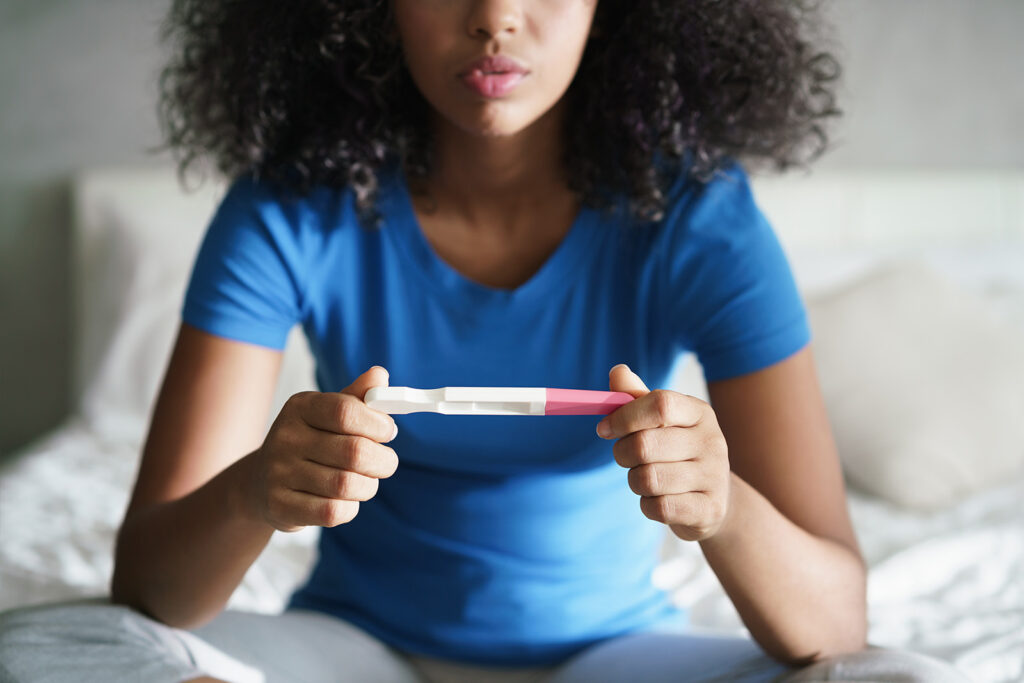
When to Seek Professional Support
While natural fertility enhancement can be highly effective, it’s important to know when professional support might be beneficial. The timeline for seeking fertility care depends on your age and specific circumstances.
Women under 35 should consider consulting a healthcare professional after 12 months of regular, unprotected intercourse without conception. For women over 35, this timeline shortens to 6 months, as age-related fertility decline makes earlier intervention more valuable.
However, certain conditions warrant earlier consultation regardless of age:
- Irregular menstrual cycles or absence of menstruation
- Known conditions like polycystic ovary syndrome, endometriosis, or pelvic inflammatory disease
- History of recurrent pregnancy loss
- Known male factor issues or sexual dysfunction
- Family history of early menopause or genetic factors that might affect fertility
Seeking fertility care doesn’t mean abandoning natural approaches. Many reproductive medicine specialists support integrating natural fertility enhancement strategies with medical evaluation and treatment when needed.
Setting Realistic Expectations and Monitoring Progress
Natural fertility enhancement is most effective when approached with realistic expectations and patience. Research shows that approximately 90% of couples will conceive within two years of regular, well-timed intercourse when the woman is under 35 and has regular cycles.
Tracking your menstrual cycle patterns, ovulation signs, and any symptoms can provide valuable insights into your reproductive health and help you identify patterns or potential concerns. Many women find that understanding their cycles better reduces anxiety and increases confidence in their body’s natural processes.
The emotional aspect of trying to conceive is just as important as the physical. Managing expectations, celebrating small victories, and seeking emotional support when needed can improve both your experience and your outcomes.
Remember that every woman’s fertility journey is unique. What works for one person may not work for another, and it’s important to trust your instincts about what feels right for your body and situation.
Your Path Forward
Natural fertility enhancement isn’t about perfection—it’s about creating optimal conditions for your body to do what it’s designed to do. By understanding your cycles, optimizing your lifestyle, nourishing your body with the right nutrients, and creating a supportive environment, you’re giving yourself the best possible foundation for conception.
Start with the changes that feel most manageable and sustainable for your lifestyle. Whether that’s beginning to track your cervical mucus, adjusting your diet, or implementing stress-reduction practices, every positive step supports your fertility journey.
Trust in your body’s wisdom while using evidence-based strategies to support your natural fertility. If you’ve been disappointed by previous approaches, remember that this journey is yours to navigate at your own pace, guided by what feels right for you.
Your path to pregnancy may not look like anyone else’s, and that’s exactly as it should be. By combining scientific understanding with intuitive body awareness, you’re empowering yourself to approach conception from a place of knowledge, confidence, and hope.